The Fire Free MED – FRED project is dedicated to advancing climate change adaptation by deploying advanced ICT and UAS (drone) technologies. Its primary goal is to enhance disaster prevention and mitigate the destructive consequences of wildfires, thereby protecting human lives, biodiversity, and natural resources. By utilising state-of-the-art tools such as dynamic fire risk mapping, early fire detection systems, and georeferenced operational support, the project aims to strengthen wildfire resilience across Mediterranean regions.
Moreover, the project fosters a collaborative environment for knowledge exchange among partners, significantly boosting capacities to respond effectively to wildfire risks and conserve invaluable ecosystems. The Fire Free MED – FRED initiative serves as a prime example of how innovative technological solutions can contribute to climate adaptation and environmental protection in vulnerable areas.
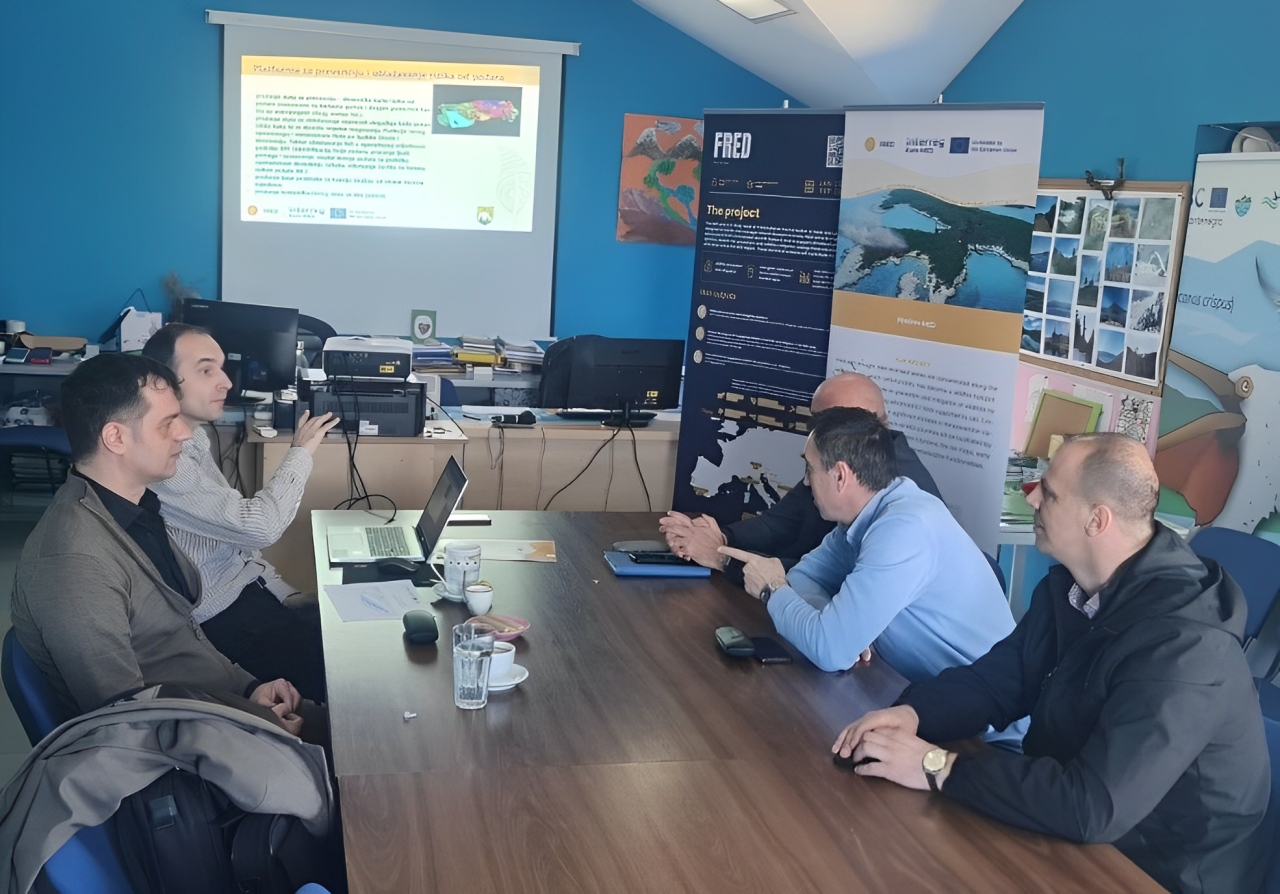
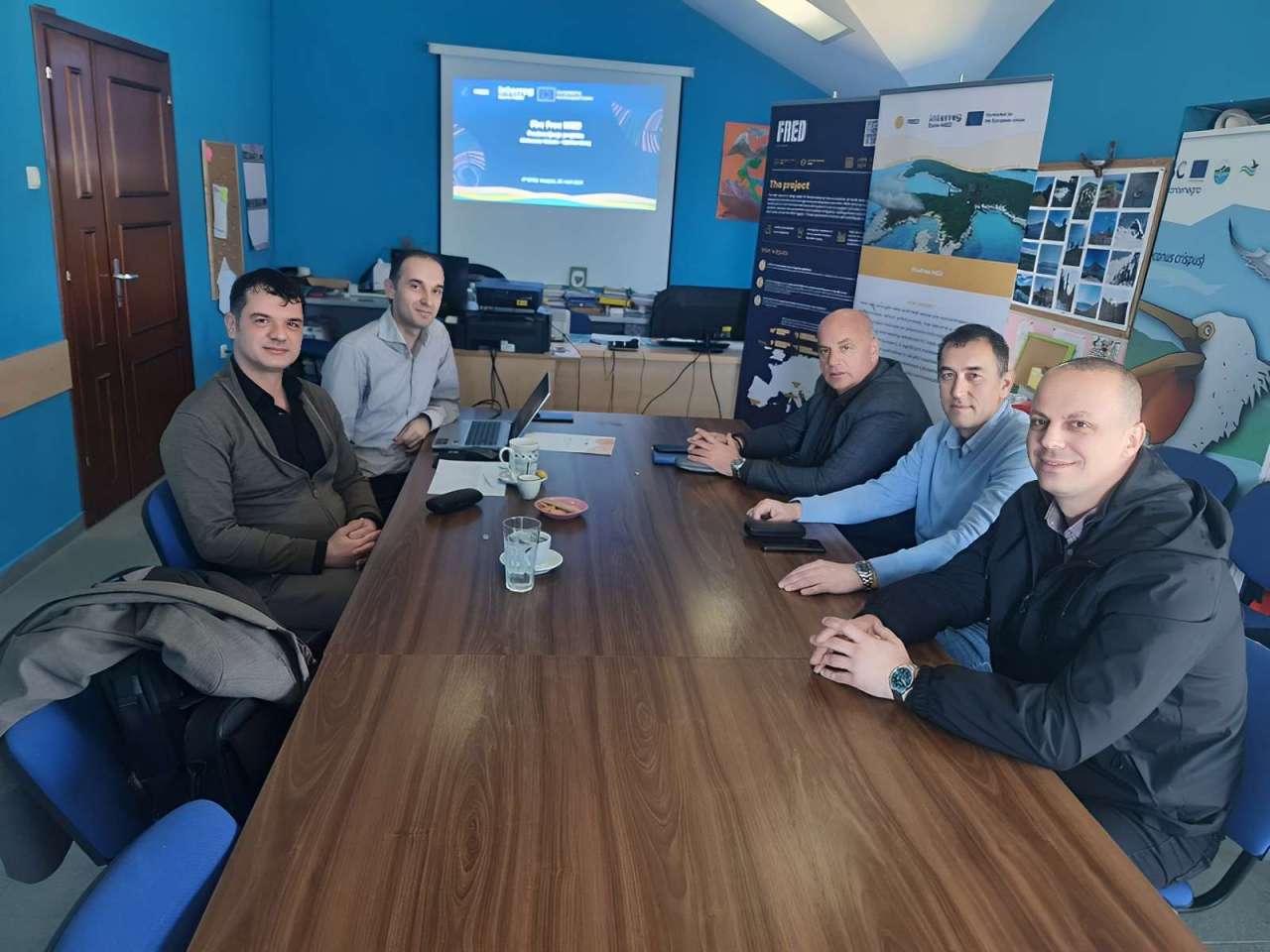
Because the project implements comprehensive, pragmatic, and efficient wildfire prevention and mitigation tools—including dynamic fire risk maps, UAV-supported firefighting operations, and early warning systems—the representatives of PE National Parks of Montenegro expressed strong interest in adopting a similar approach tailored to their protected areas. They acknowledge that replicating such a project would greatly enhance local wildfire preparedness and environmental resilience.
This engagement highlights the strong and ongoing cooperation between the Department for EU projects of the Municipality of Ulcinj and the Public Enterprise National Parks of Montenegro, both of whom are committed to actively contributing to key regional initiatives like the FRED project. These initiatives are designed to address urgent environmental challenges by promoting sustainable development and fostering climate-resilient ecosystems throughout the Mediterranean region. By strengthening wildfire prevention, disaster risk reduction, and ecosystem preservation, the FRED project exemplifies a holistic approach to enhancing the resilience of vulnerable natural habitats across multiple countries.