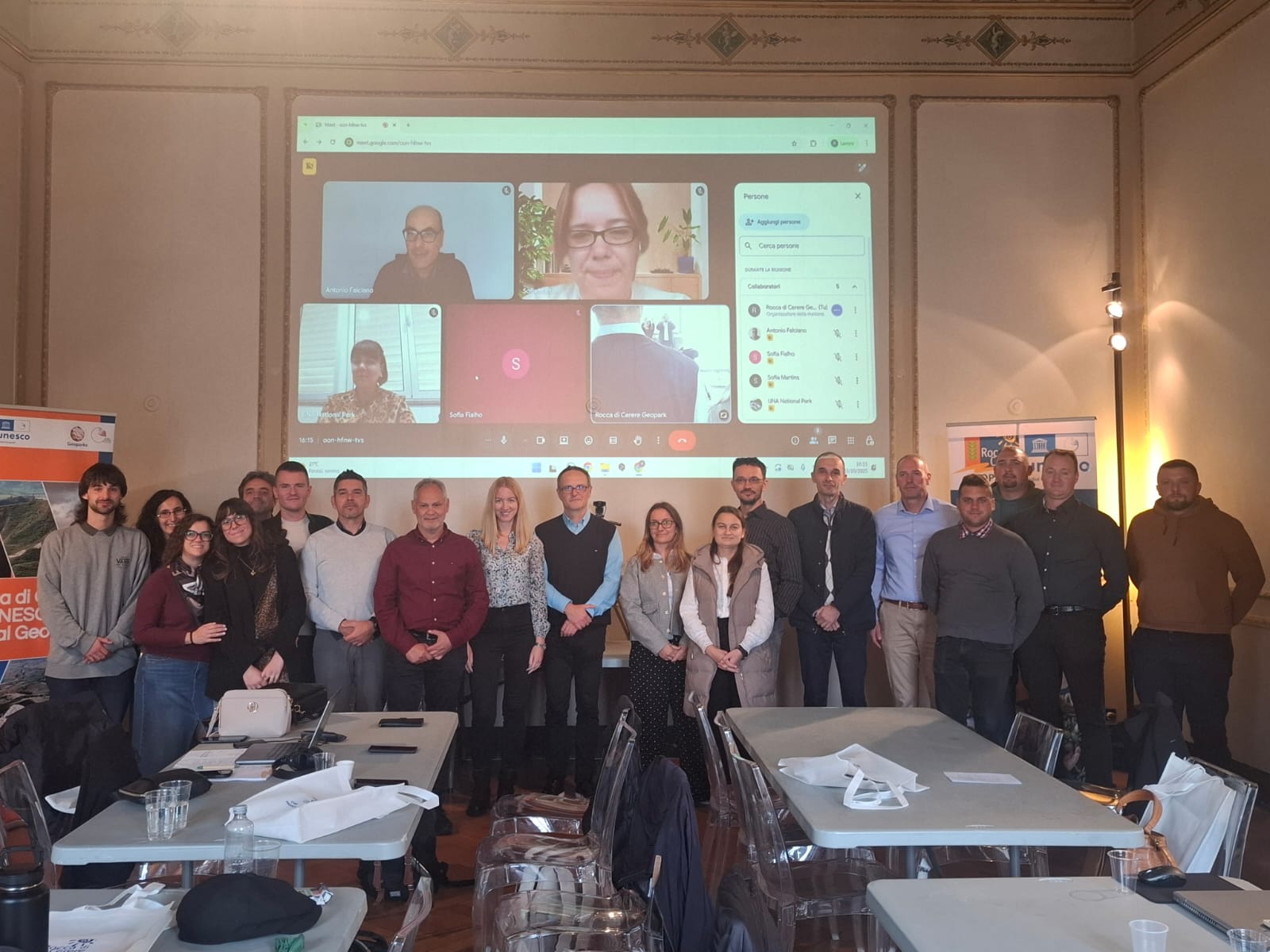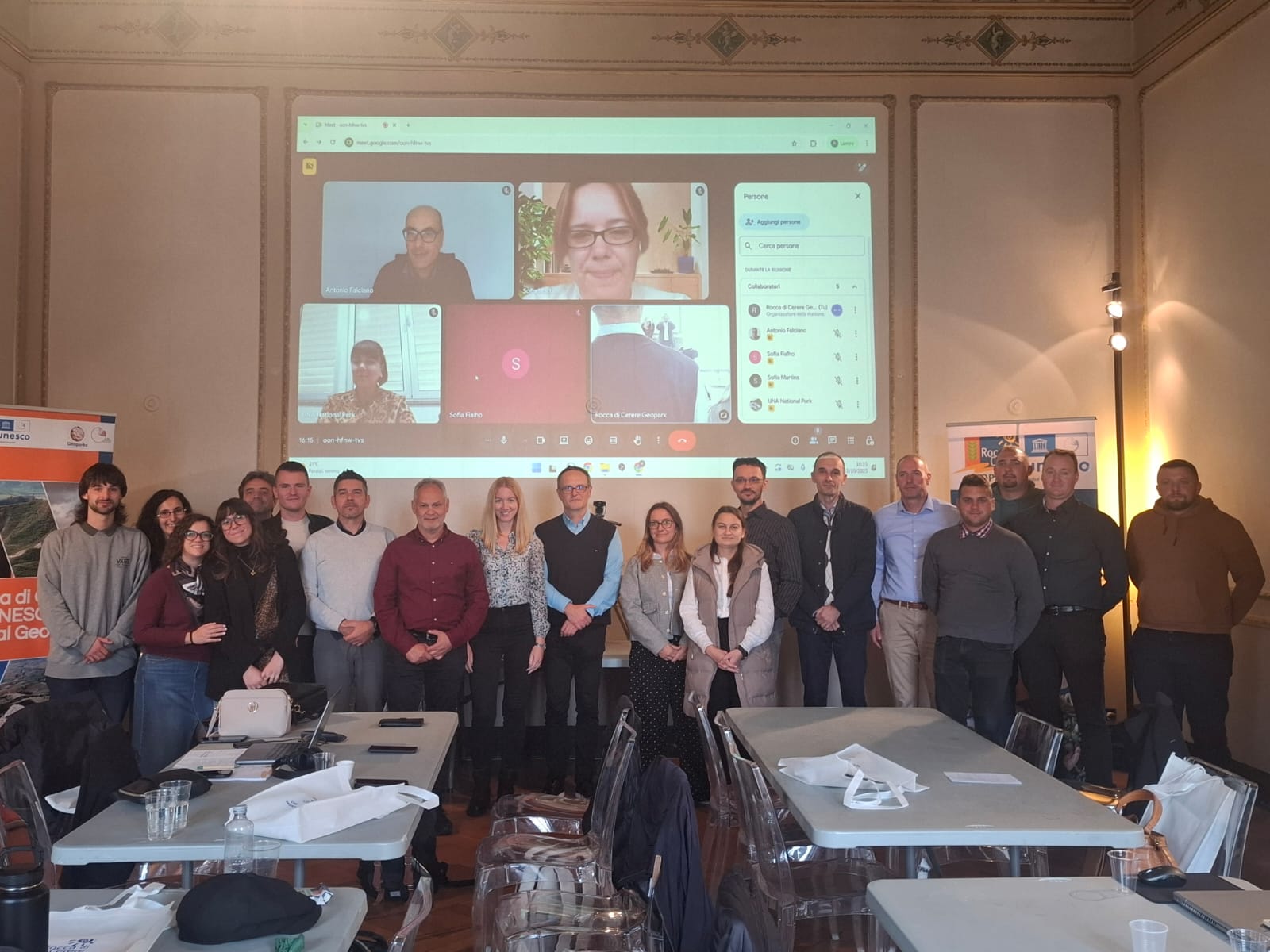

The event was hosted by project partner Rocca di Cerere Geopark (RCG) and organized in a hybrid format, bringing together representatives from partner institutions across Croatia, Italy, Slovenia, Bosnia and Herzegovina, Montenegro, Greece, and Portugal.
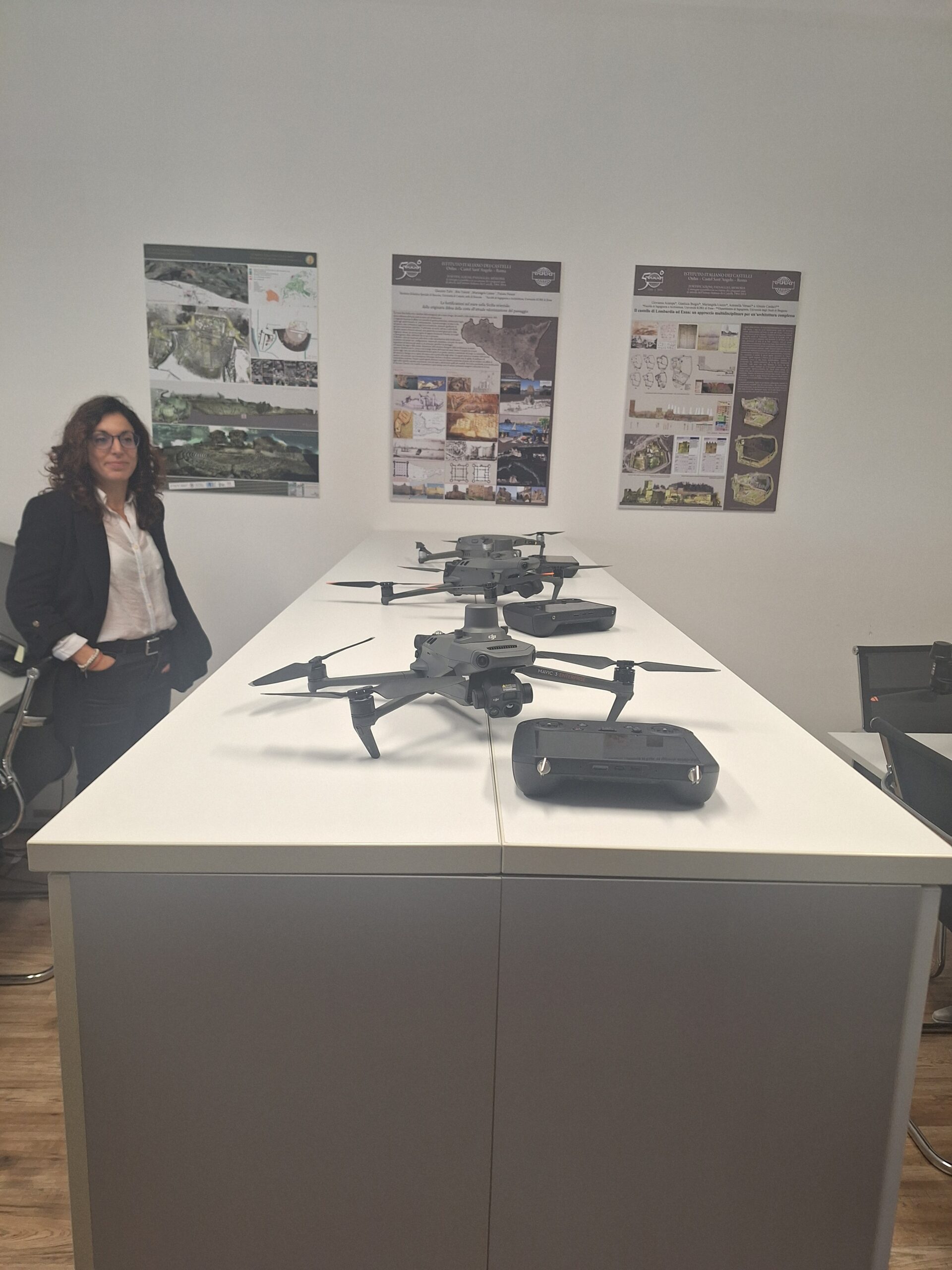
The meeting was officially opened by the representatives of RCG, who welcomed participants both onsite and online. On behalf of the Lead Partner, the University of Rijeka, Faculty of Maritime Studies, Prof. Neven Grubišić coordinated the meeting. Key updates were presented regarding project progress, financial reporting, and upcoming activities, followed by discussions on the implementation of pilot activities that focus on the use of drones and advanced monitoring equipment for terrain observation and data collection. This innovative approach enables the gathering of real-time, high-precision data, crucial for improving fire risk management and prevention strategies in Mediterranean areas.
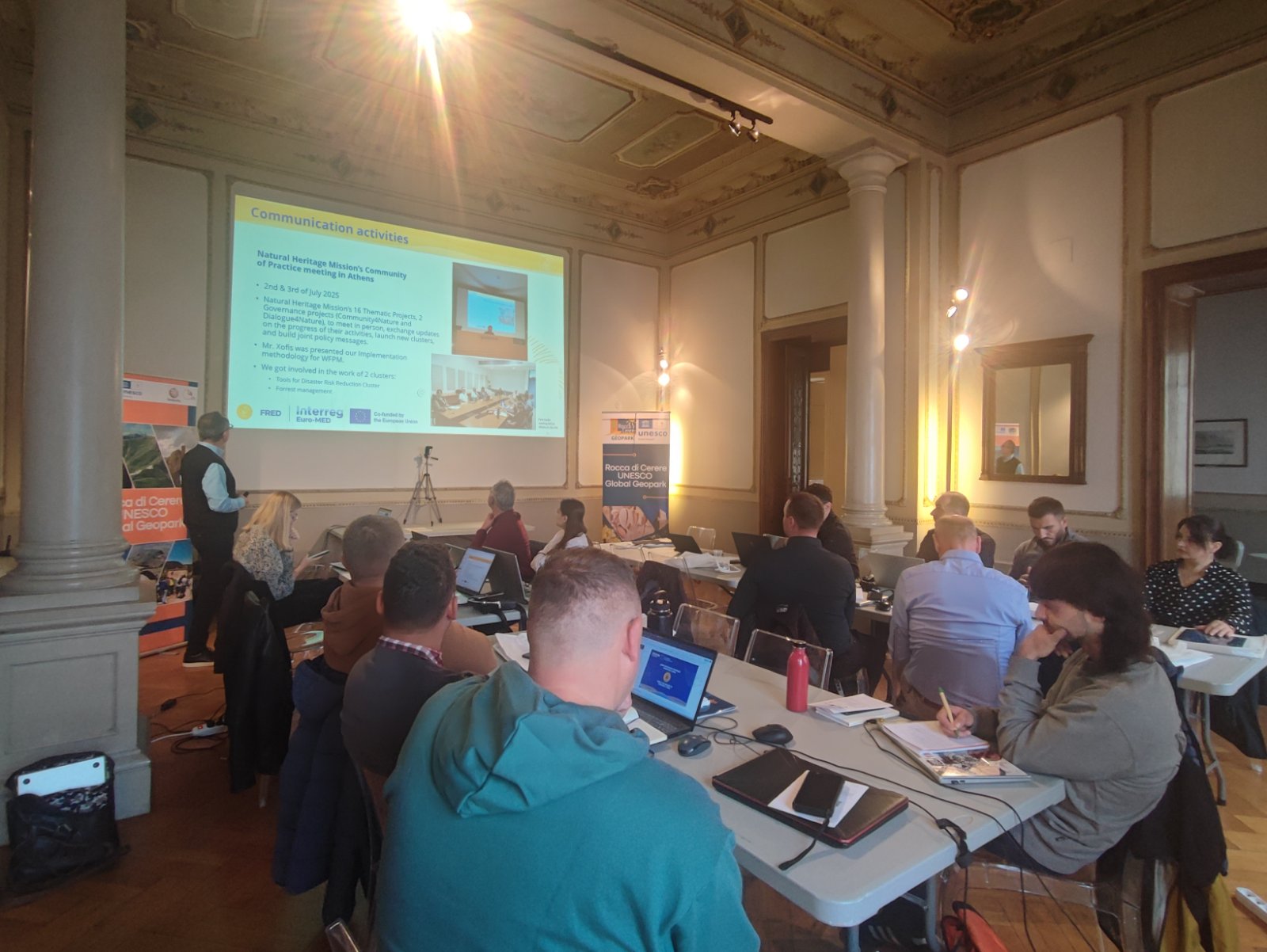
A significant part of the meeting was dedicated to the project’s collaboration with the Natural Heritage Mission Thematic Community, within which partners actively engage in joint workshops, data exchange, preparation of educational materials, and communication activities. This cooperation plays a key role in strengthening knowledge transfer, enhancing project visibility, and ensuring FRED’s alignment with broader Euro-MED environmental and resilience initiatives.
A significant part of the meeting was also devoted to the project’s collaboration with the Natural Heritage Mission Thematic Community. Within this framework, FRED actively participates in joint workshops, data sharing, the development of educational materials, and communication activities. This collaboration is essential for promoting knowledge exchange, enhancing project visibility, synergies with other Euro-MED projects, and the amplification of project results across the Mediterranean region. The joint efforts contribute to building a stronger network of actors engaged in sustainable natural resource management and climate resilience.
During the fifth Steering Committee meeting, major conclusions from the Project Consortium Meeting were further discussed and considered.
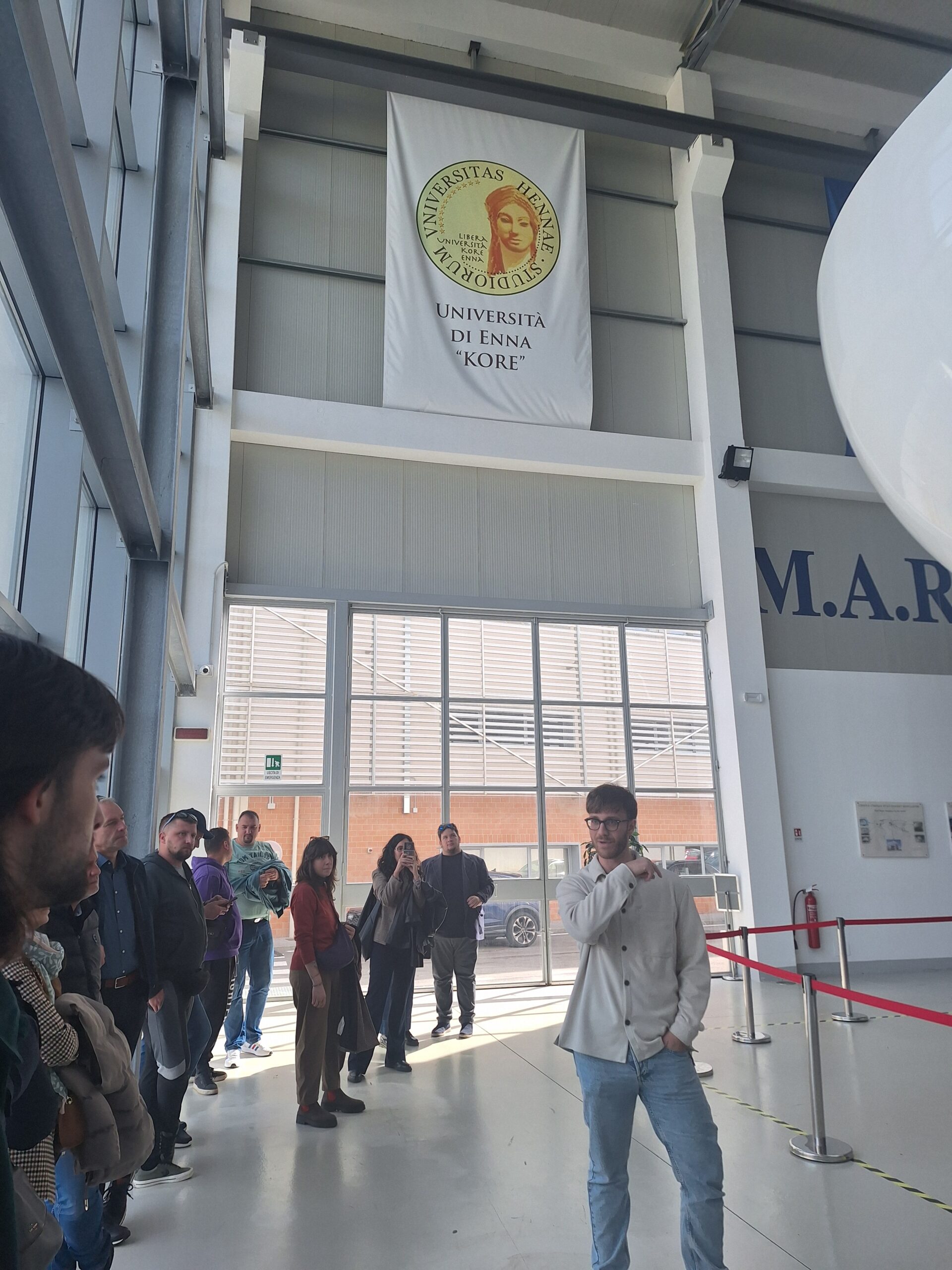
Following the working sessions, the hosts organized a study visit to the Kore University of Enna, where participants explored research facilities and met with members of the Smart Structures project team, further fostering scientific exchange and collaboration among partners.
The next Consortium Meeting and SC meeting will take place in Bosnia and Herzegovina, hosted by NPUNA.
We thank the hosts – RCG for their great hospitality and looking forward for future project cooperation and activities.